When equipping an office, budget is almost always a deciding factor. And filing cabinets are often one of the first items to get trimmed: "after all, it's just a piece of furniture for storing paper." The problem is that a filing cabinet that's too cheap tends to warp, jam, or fail within months, and replacing it ends up costing more than choosing well from the start.
The good news is that affordable doesn't have to mean disposable. There are budget-friendly filing cabinets that deliver years of service if you know which features to check and which ones you can do without. In this article, we explain how to spot a filing cabinet with a good cost-to-value ratio, which components you shouldn't cut corners on, where you can save, and which mistakes to avoid.
What Does "Affordable but Durable" Really Mean?
An affordable, durable filing cabinet isn't the cheapest one on the market. It's the one with the lowest cost per year of use. A low-priced piece that lasts two years ends up costing more than one that's slightly more expensive upfront but lasts ten.
The key is knowing where your money is going. Manufacturers can cut costs on a filing cabinet by using thinner sheet metal, low-quality slides, or a simplified locking system. Those are the cuts you pay for later. On the other hand, there are other aspects, like decorative finishes or extra features, that can be simplified without hurting durability.
Where You Shouldn't Cut Corners
1. Frame and Sheet Metal Gauge
The frame is the foundation of durability. Thin sheet metal flexes under the weight of files, throws the drawers out of alignment, and ends up warping the whole unit. Even if the cabinet is simple, it's worth asking about the steel gauge and the load capacity per drawer.
2. Drawer Slides
The slides determine the day-to-day experience. If they're weak, drawers jam, roll poorly, or come off their tracks. Reinforced slides, even basic ones, make a big difference in service life.
3. Anti-Tip System
On multi-drawer cabinets, a mechanism that prevents two drawers from being opened at the same time is a matter of personal safety. It's not an extra: it's an essential component.
4. Functional Lock
If the cabinet holds personnel, financial, or client records, the lock needs to be reliable. A basic but well-built lock is better than a clunky, low-quality system.
5. Anti-Corrosion Coating
A good electrostatic paint finish protects against scratches, moisture, and rust, and keeps the piece looking presentable for years.
Where You CAN Save
- Decorative finishes: neutral colors and simple designs cut costs without affecting performance.
- Additional features: if you don't need special dividers, drawers of different depths, or accessories, don't pay for them.
- Size matched to actual need: a 2- or 3-drawer cabinet may be enough for areas with a low volume of documents.
- Standard configurations: catalog models are usually cheaper than custom designs.
- Bulk purchasing: equipping several areas with the same model lets you negotiate better terms.
Types of Filing Cabinets with a Good Cost-to-Value Ratio
2- and 3-Drawer Vertical Filing Cabinets
The most practical configuration for administrative areas with moderate volume. They take up little space and are easy to integrate.
Mobile Pedestals
Compact and functional, they sit under the desk and keep everyday documents within reach. They're one of the most affordable options for individual workstations.
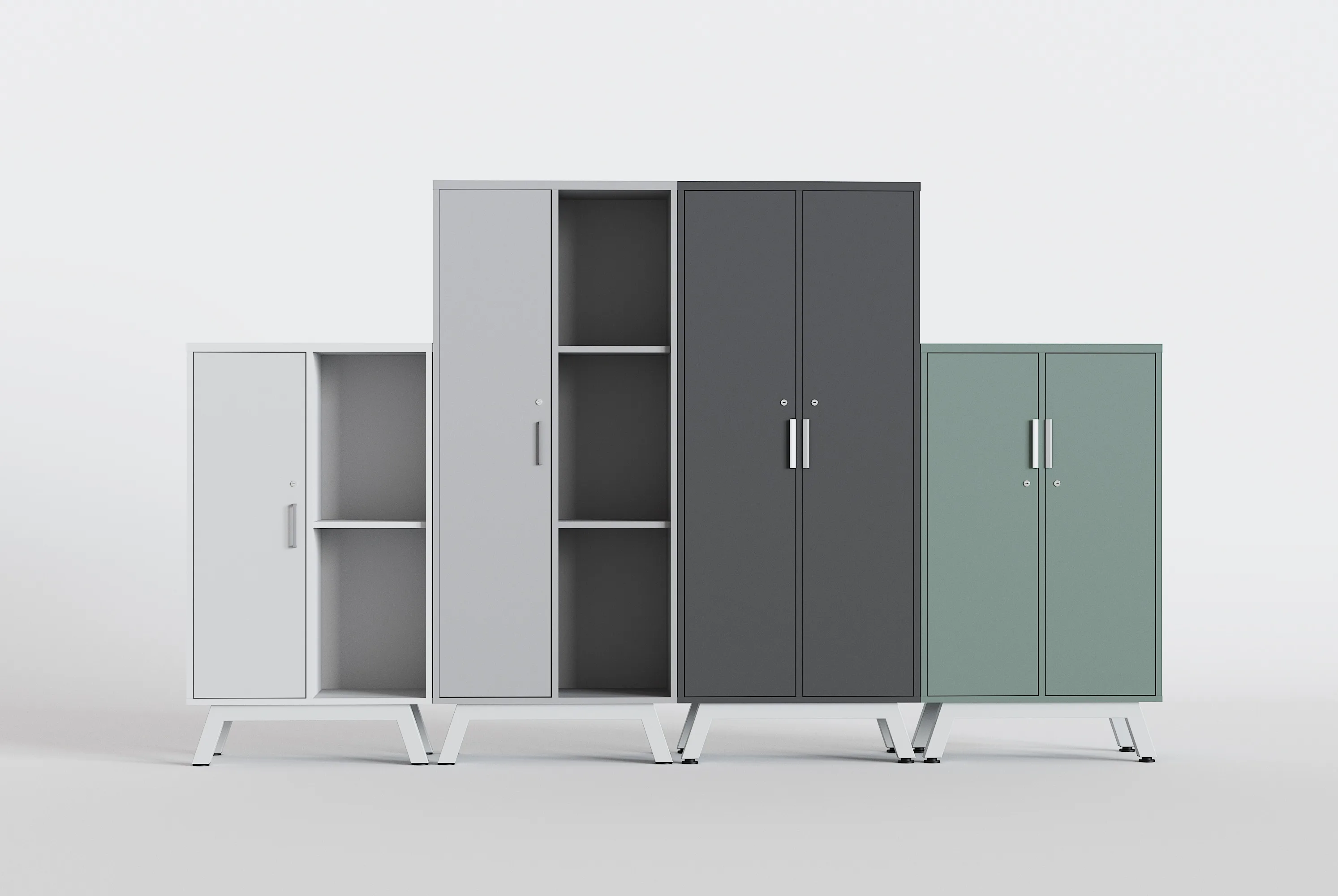
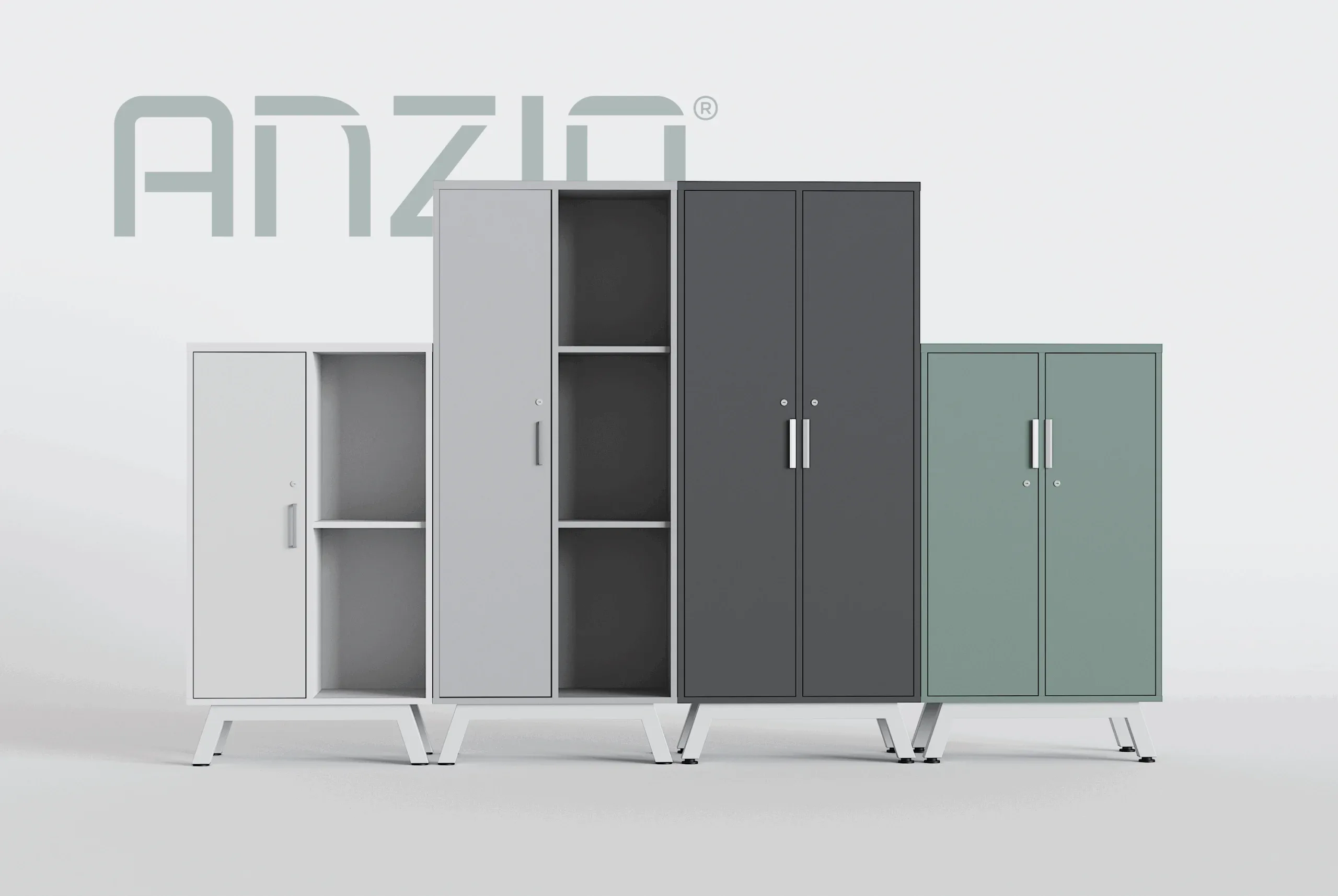
Basic Metal Cabinets with Doors
Useful for storing archive boxes, stationery, or supplies, with good capacity at an accessible price.
Simple Lateral Filing Cabinets
They make better use of space in hallways or compact areas, with no need to pull drawers out toward the front.
Explore the available options in our storage section.
How to Evaluate Durability Before Buying
- Move it and open it. A solid filing cabinet doesn't twist or creak, and its drawers glide evenly.
- Check the joints. Welds and rivets should look firm and uniform.
- Ask about load capacity. A clear per-drawer figure signals a manufacturer that stands behind its product.
- Test the closure. Drawers and doors should line up properly, and the lock should turn without forcing.
- Examine the finish. No bubbles, sharp edges, or uncoated areas.
- Ask for a warranty. A clear warranty is a sign of confidence in the quality.
Quick Calculation: Cost per Year of Use
A simple way to compare is to divide the price by the expected years of service life:
- Cabinet A: low upfront cost, lasts 2 years → high annual cost.
- Cabinet B: moderate upfront cost, lasts 8 to 10 years → considerably lower annual cost.
Although actual durability depends on usage, this exercise helps you stop deciding on sticker price alone.
How to Make an Affordable Filing Cabinet Last Longer
- Don't overload the drawers beyond their capacity.
- Distribute the weight, putting the heaviest items in the bottom drawers.
- Open only one drawer at a time.
- Clean regularly, keeping slides and surfaces free of dust buildup.
- Keep it in a stable location, on a level floor and away from moisture.
- Control the keys by designating responsible people and avoiding unnecessary copies.
- Inspect the unit periodically and correct any misalignment early.
Integrating with the Rest of the Office
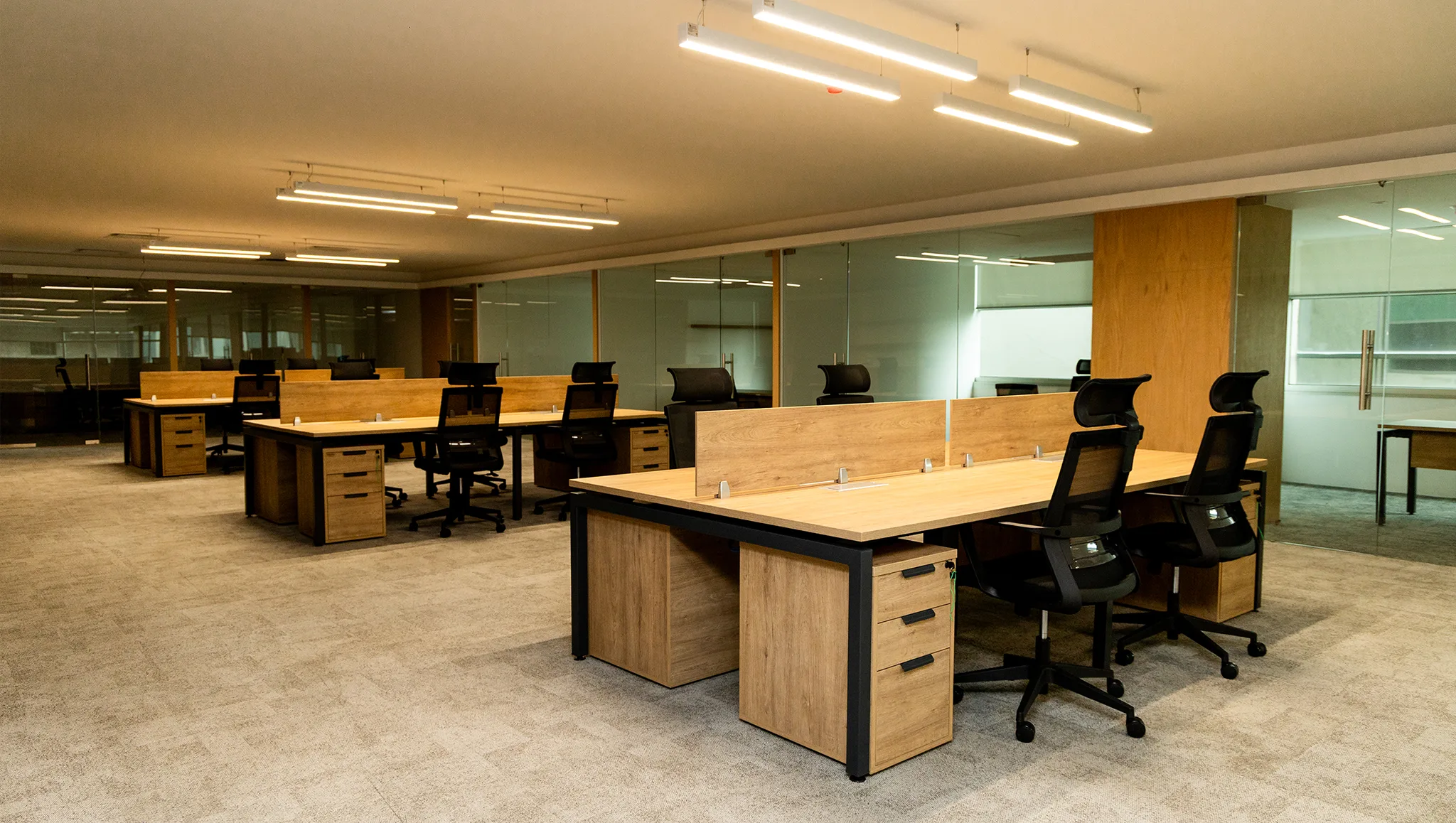
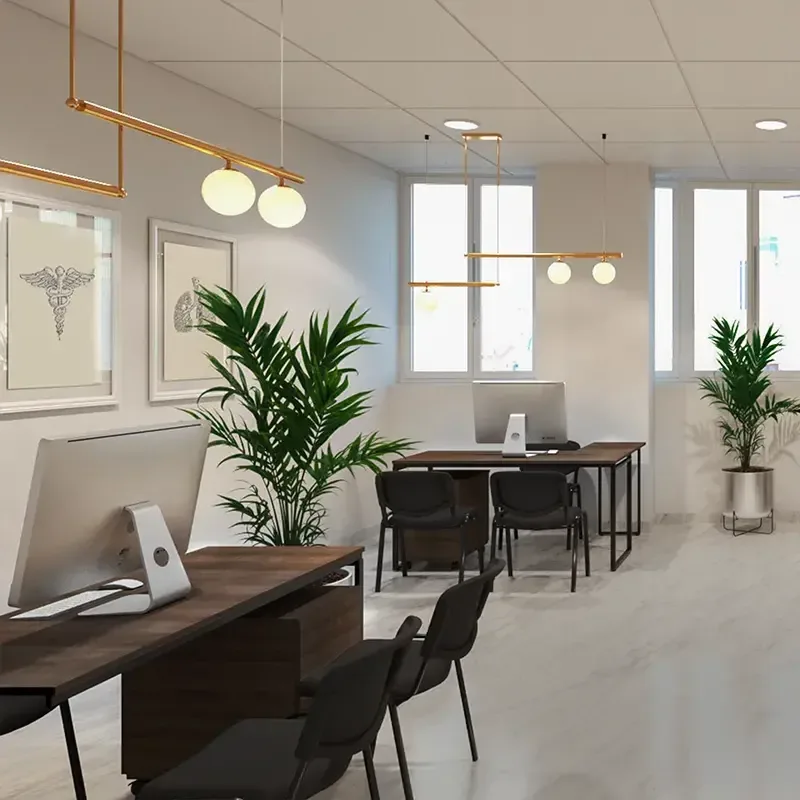
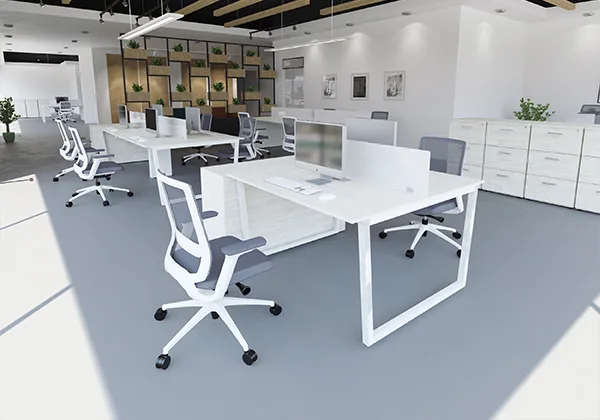
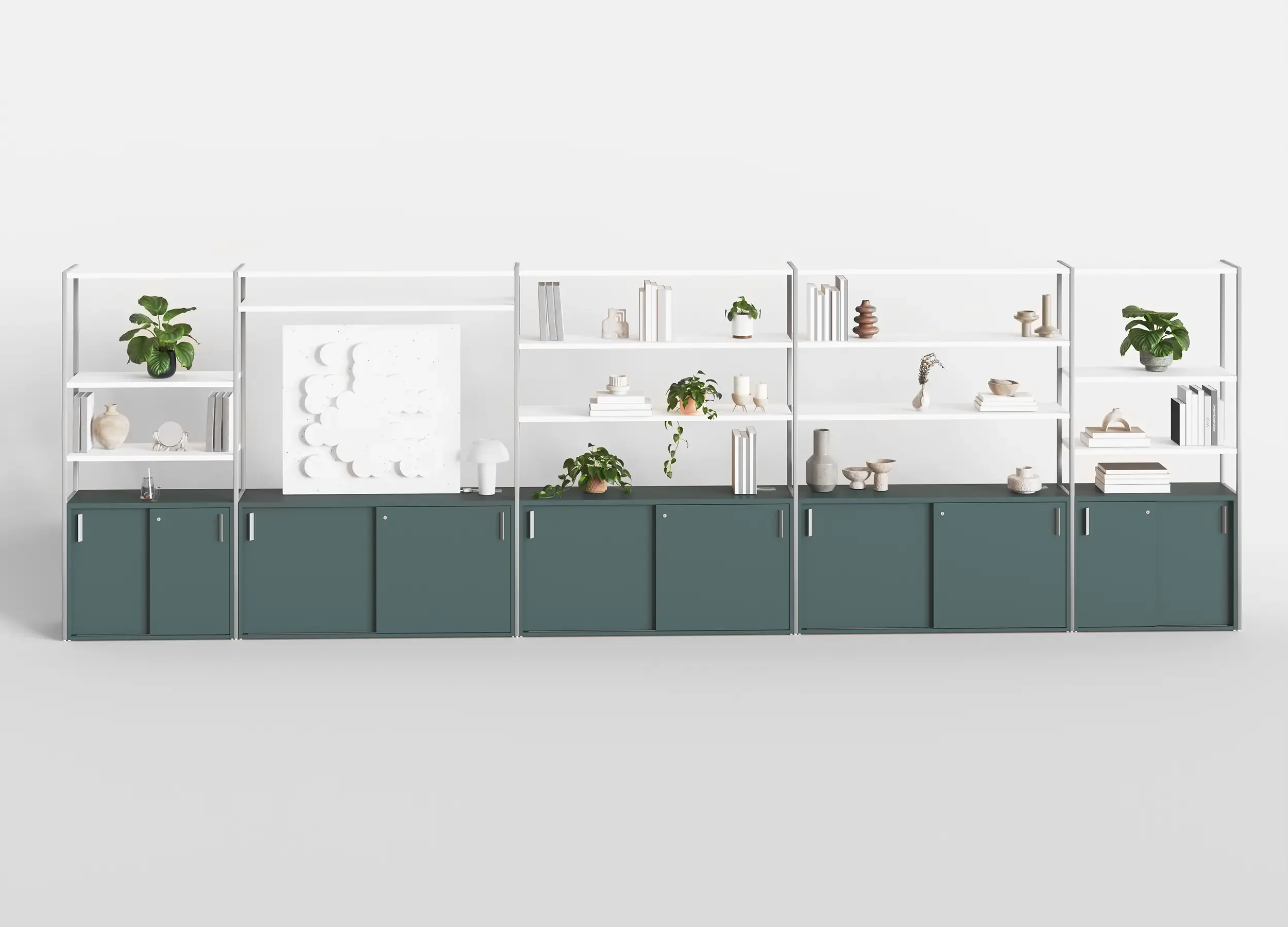
An affordable filing cabinet doesn't have to look like an afterthought. Choosing finishes that match your desks and workstations keeps the space looking organized. Check out our workstations and finish options to achieve a cohesive look.
If you handle confidential documents, consider taking an extra step in security with our guide to reinforced metal filing cabinets, and to better organize your information, read our article on filing cabinets with internal dividers for sensitive documents.
Common Mistakes When Shopping for Affordable Filing Cabinets
- Comparing on price alone. Without checking gauge, slides, and lock, the savings are only apparent.
- Buying too small. A small cabinet that fills up quickly forces you to buy another.
- Ignoring the warranty. Without coverage, any failure comes out of your own pocket.
- Prioritizing looks. A flashy design with a weak frame is a bad investment.
- Not considering real-world use. A cabinet used daily needs to be sturdier than one used for historical archives.
- Mixing models without a plan. Equipping an area with mismatched pieces hurts the look of the space.
- Skipping the anti-tip system. Saving on safety can turn out to be very expensive.
How Línea Italia Can Help
At Línea Italia, we design, manufacture, and install storage solutions for corporate offices, with a practical view of both budget and durability. Our team analyzes your document volume, level of use, and how the piece fits in with the rest of the space to propose options that balance investment and performance.
Learn about our process in space design, explore our corporate furniture collections, and see real examples in our projects section.
Conclusion
An affordable, durable filing cabinet is possible when you invest in the essentials: a firm frame, reliable slides, an anti-tip system, a functional lock, and a good protective coating. Smart savings come from simplifying the decorative elements, sizing the unit to your real needs, and evaluating cost per year of use instead of the initial price.
Need to equip your office with affordable, sturdy storage? Request a proposal from our team of specialists and find the solution that best fits your budget.