







Every company holds information that should not be within anyone's reach: employee files, contracts, financial statements, customers' personal data, commercial proposals, legal documents or strategic information. Although much of the work is now digital, paper is still present in areas such as Human Resources, Legal, Finance and Management, and its physical safekeeping is a responsibility that many organizations underestimate.
A lost document, one viewed by an unauthorized person or one damaged by moisture can result in penalties, loss of trust or operational problems. That is why filing cabinets for sensitive documents are not just another piece of furniture: they are part of the information protection strategy. In this article we explain which features they should have, which types exist, how to choose them for each area and which complementary practices are worth adopting.
What is considered a sensitive document?
A document is sensitive when its loss, alteration or disclosure can affect people, the company or third parties. Some common examples:
- Human Resources: personnel files, contracts, payroll, evaluations and medical data.
- Legal: agreements, powers of attorney, minutes, litigation and corporate documentation.
- Finance and accounting: financial statements, tax receipts and banking data.
- Customers and suppliers: commercial contracts, personal data and confidentiality agreements.
- General management: strategic plans, information on mergers, acquisitions or investments.
- Intellectual property: designs, technical specifications and in-house developments.
Classifying information by confidentiality level is the first step in deciding which type of filing cabinet each area needs.
Features a filing cabinet for sensitive documents should have
Sturdy metal structure
Steel sheet of the right gauge with internal reinforcements offers greater resistance to impacts, deformation and attempts at forced entry. It is advisable to ask the manufacturer for data on gauge and load capacity. If you want to go deeper, check out our article on reinforced metal filing cabinets for greater security.
Reliable locking system
The lock is the central component of access control. The most common options are:
- Individual lock per drawer: lets you separate categories of documents.
- General or bar lock: locks all drawers with a single key.
- Higher-security or combination locks: for highly confidential information.
Choose the system according to the level of control each area requires and define who holds the keys.
Anti-tip system
It prevents more than one drawer from being opened at a time, keeping the cabinet from becoming unstable. It is a matter of safety for people and of protecting the cabinet itself.
Quality extension slides
Reinforced slides allow smooth opening and closing even under a full load, avoiding jams that damage documents and mechanisms.
Dividers and internal organization
Hanging folders, separators and compartments make it easier to classify and locate files quickly, which also helps detect missing ones. To learn more, see our article on filing cabinets with internal dividers for delicate documents.
Durable coating
Powder-coat paint protects against scratches, moisture and corrosion, and keeps the furniture in good condition for years. Discover the options in our finishes section.
Types of filing cabinets for confidential information
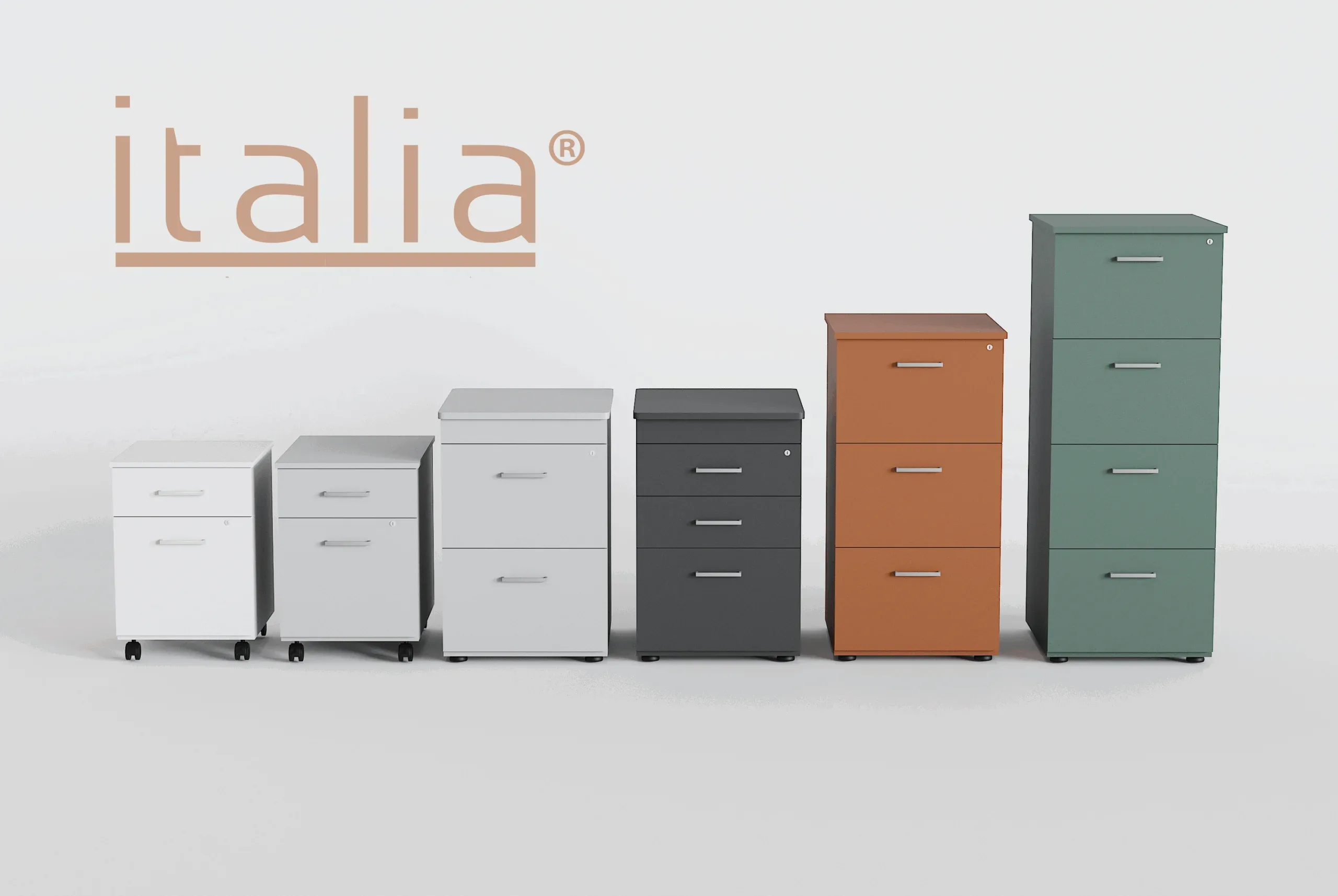
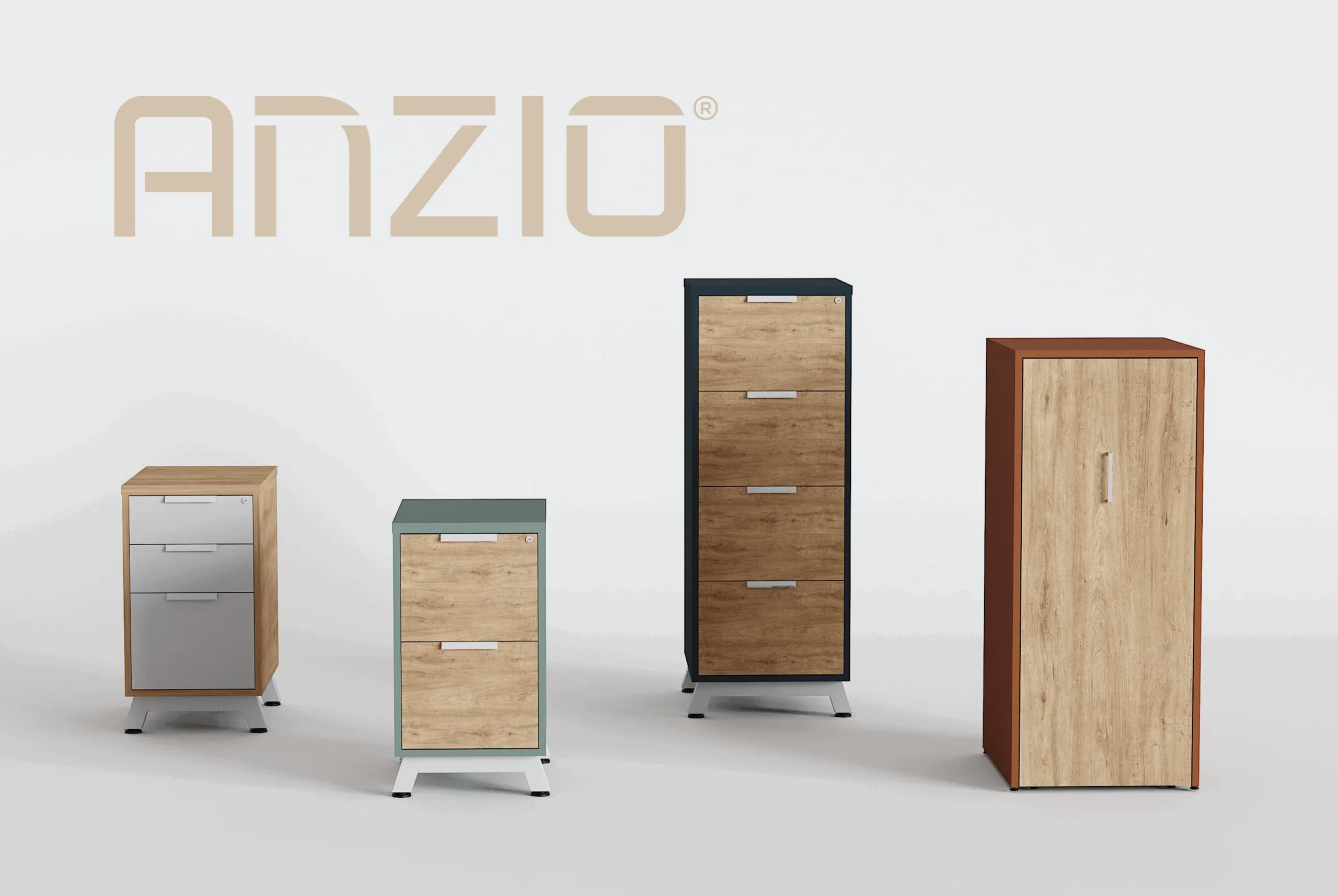
- Vertical 2- to 4-drawer cabinets with lock: the most common solution for frequently consulted files.
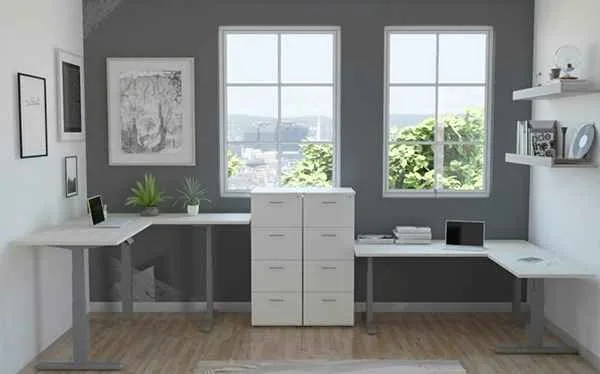
- Lateral filing cabinets with lock: make better use of space in compact areas.
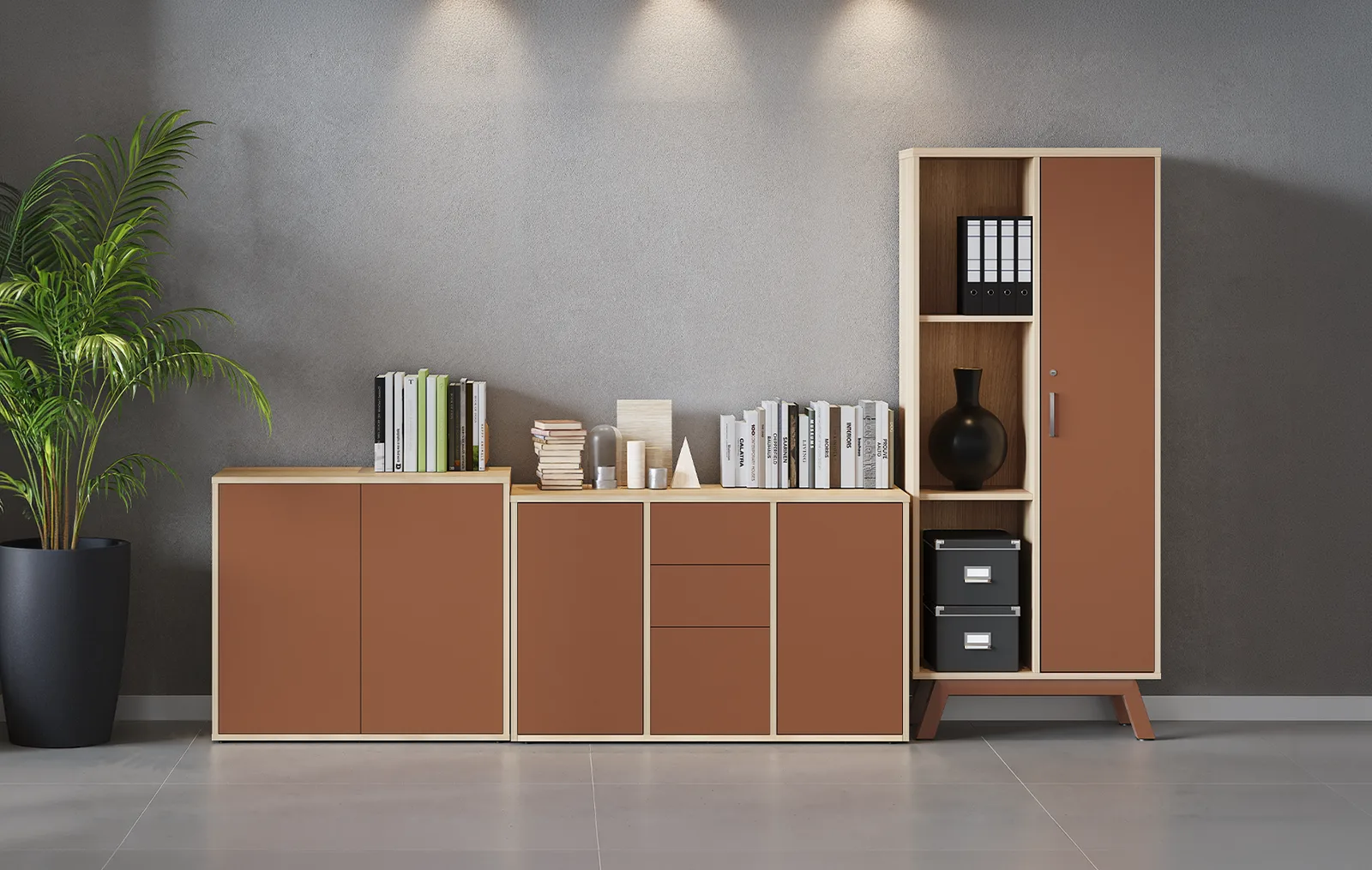
- Metal cabinets with doors and key: for archive boxes, large volumes or backup material.
- Drawer units with lock: for personal documentation used daily at individual or executive workstations.
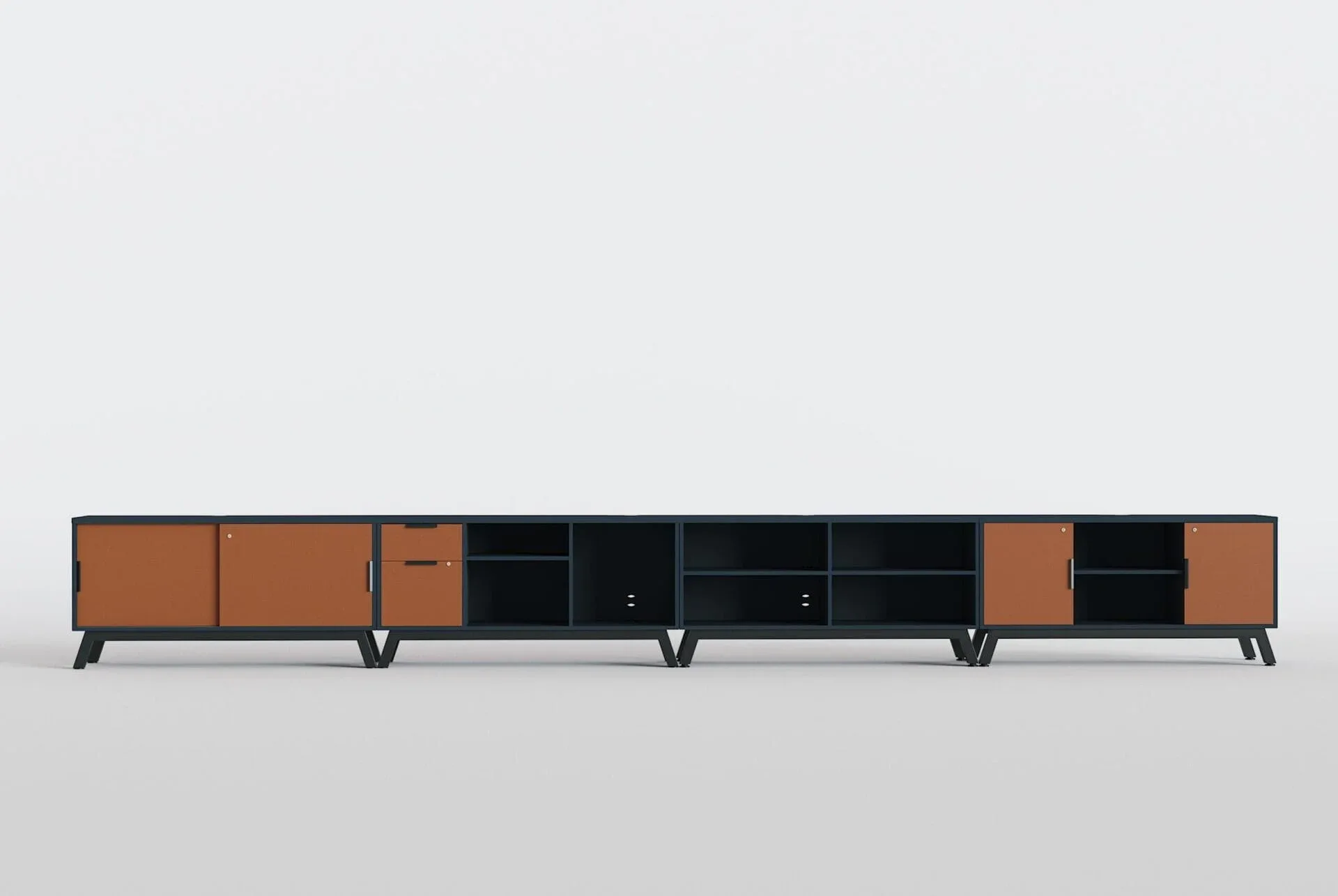
- Combined modules with shelving and lock: integrate open storage and secure compartments.
- Lockers and personal cabinets: to safeguard documents or devices for individual use.
Discover the available alternatives in our storage section.
How to choose according to confidentiality level
Low level: frequent consultation
Documents used daily with limited risk. A cabinet with a simple lock and good internal organization is enough.
Medium level: restricted access
Files that only certain people should consult. An individual lock per drawer and a location in controlled-access areas are advisable.
High level: critical information
Documents whose leak would have serious consequences. Reinforced structures, higher-security locks, placement in closed offices and strict consultation protocols are recommended.
Location: as important as the furniture
An excellent filing cabinet in the wrong place loses much of its value. Consider:
- Avoid high-traffic areas or those visible to visitors.
- Prefer restricted-access areas, such as HR, Legal or Management offices.
- Keep it away from moisture, windows with direct sun and heat sources.
- Check that the floor can support the weight of several loaded modules.
- Leave free space to open drawers comfortably.
When information is handled in management areas, this furniture can be coherently integrated into executive area projects, maintaining order and aesthetics.
Document security best practices
The furniture is only one part of the protection. Complement it with:
- Information classification policy: define levels and those responsible.
- Key control: appoint custodians, record copies and avoid unnecessary duplicates.
- Consultation and loan log: who consulted which file, when and why.
- Need-to-know access: only those who require it for their role.
- Periodic review: check locks, slides and the condition of the files.
- Digital backup of critical documents, stored with appropriate measures.
- Secure destruction of documents that have met their retention period.
- Staff training on handling confidential information.
It is also advisable to review the legal requirements applicable to your industry, such as retention periods and personal data protection, with the support of your legal department or a specialized advisor.
Common mistakes when choosing filing cabinets for sensitive documents
- Not classifying information before buying. You overspend on what doesn't need it and under-protect what is critical.
- Prioritizing price alone. Thin sheet metal and a basic lock can be defeated easily.
- Neglecting key control. The best lock is pointless if keys circulate without a record.
- Placing the cabinet in exposed areas. Visibility and foot traffic increase the risk.
- Omitting the anti-tip system. Saving here compromises people's safety.
- Underestimating document growth. Falling short forces you to improvise with boxes and uncontrolled furniture.
- Not documenting access. Without a log, it is impossible to trace incidents.
- Thinking digital eliminates physical risk. As long as paper files exist, they must be safeguarded with the same rigor.
Integration with the rest of the office
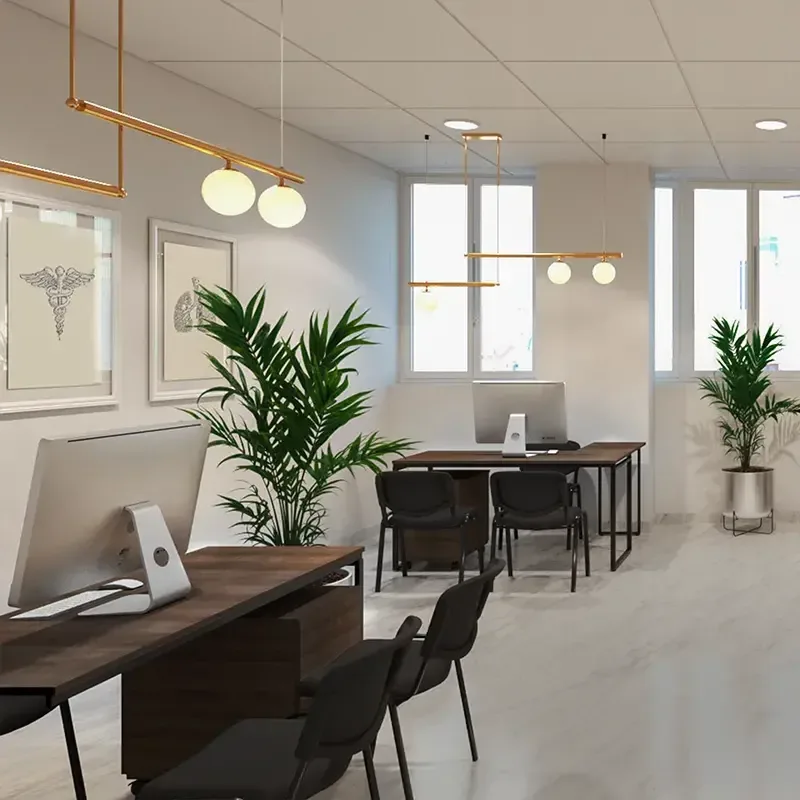
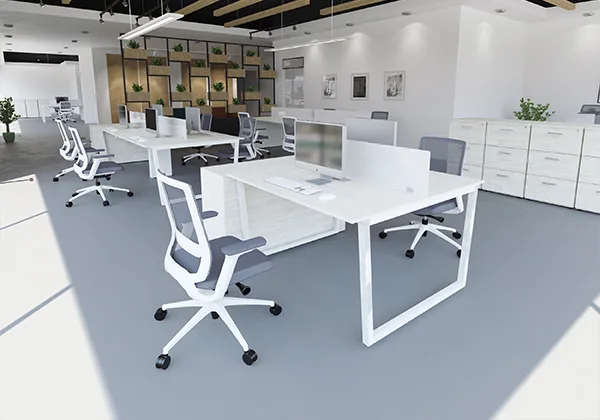
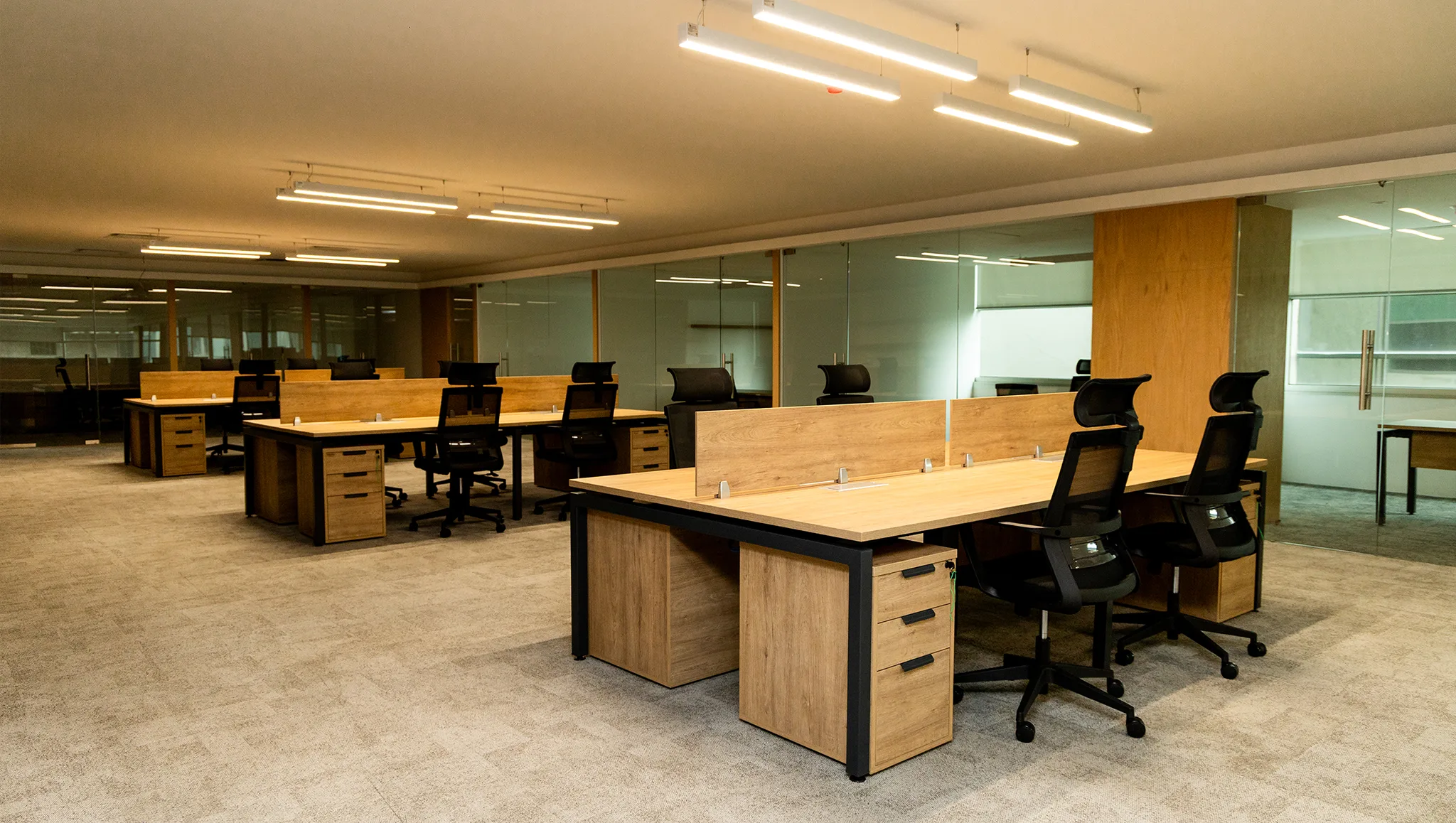
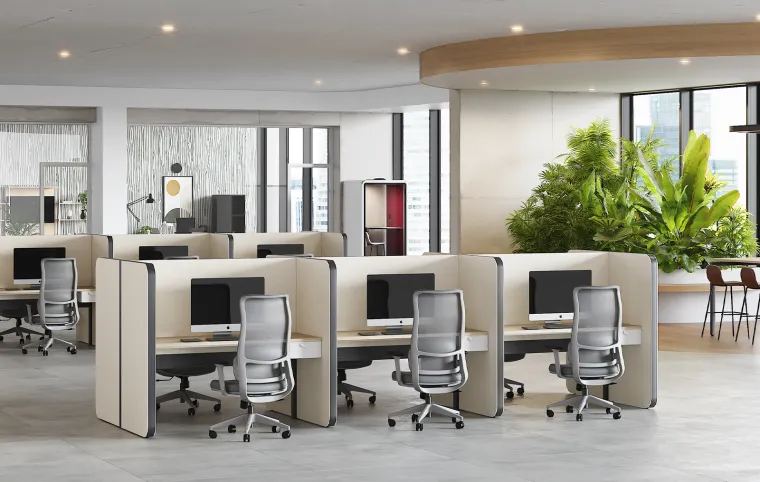
A secure filing cabinet doesn't have to look improvised. Choosing finishes consistent with desks, workstations and executive furniture maintains an orderly, professional image. Discover our workstations and desks. If you are watching your budget, also check out our article on affordable but durable filing cabinets.
How Línea Italia can help you
At Línea Italia we design, manufacture and install storage solutions for corporate offices, integrated within a complete furniture project. Our team analyzes document volume, confidentiality level and the use of each area to propose a solution that is functional, secure and consistent with the rest of the space, from 3D visualization to manufacturing, installation and delivery.
Learn about our process in space design, explore our corporate furniture collections and see real examples in our projects section.
Conclusion
Filing cabinets for sensitive documents are an investment in peace of mind, compliance and operational continuity. A sturdy structure, reliable locks, an anti-tip system, good internal organization and a suitable location form the foundation; access protocols and key control complete the protection. Choosing well starts with classifying the information and understanding what level of safekeeping each area needs.
Do you need to safeguard your company's information securely? Request a proposal from our team of specialists and find the ideal storage solution for your office.